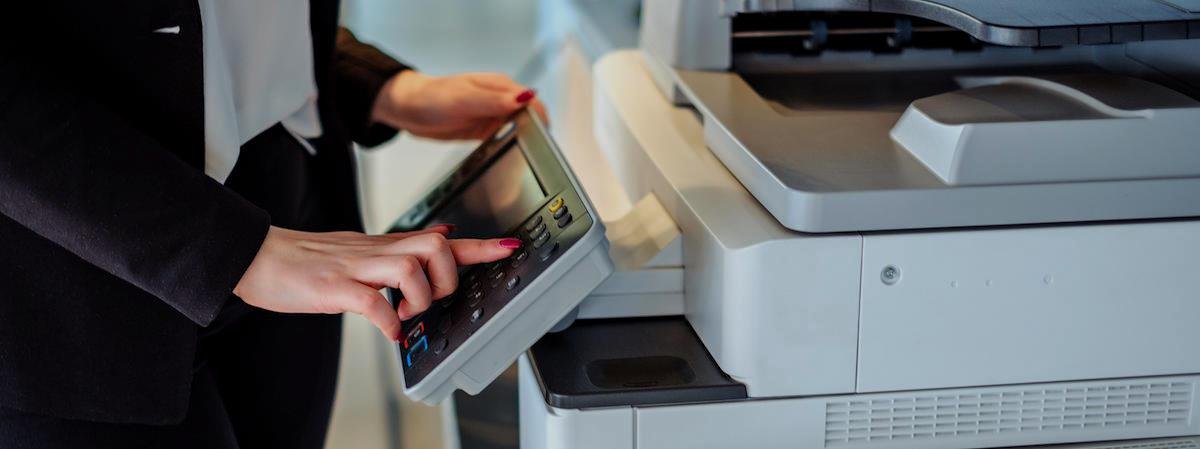
Getting Started With Printing
An introductory overview of common printing concepts basic terminology & general considerations related to printer setup & usage.
Connect Printer to WiFi
How does printer Wi-Fi connectivity typically work?
Wireless printer connectivity generally refers to the process by which a printer communicates with computers, phones, or tablets over a Wi-Fi network instead of using physical cables. Printers that support wireless connectivity are designed to connect to a local network so multiple devices can send print jobs from different locations within the same network range. In many cases, Wi-Fi setup involves selecting a wireless network through the printer’s interface and establishing a connection using network credentials, as outlined in the manufacturer’s documentation. Printer software or setup utilities are commonly used to help devices recognize the printer once it is connected to the network. These tools assist with device detection and basic configuration rather than manual connection steps. Once a printer is connected to Wi-Fi, it can typically accept print requests from authorized devices on the same network. Wireless printing is often discussed for its flexibility in shared home or office environments, where users may need to print from multiple devices without relying on direct cable connections. Specific setup steps, features, and limitations can vary depending on the printer model and manufacturer.
Smart Printing Setup
What is typically involved in setting up a printer?
A smart printing setup generally refers to the basic steps and considerations involved when
preparing a printer for use. This process usually begins with positioning the printer on a stable
surface and ensuring access to power and network connectivity, depending on the printer type.
Initial preparation often includes installing ink or toner cartridges and loading compatible paper
into the input tray according to manufacturer guidelines.
Printer setup commonly involves powering on the device and following on-screen prompts or setup
instructions provided by the manufacturer. Many printers rely on setup software or applications to
assist with network connection and device recognition. These tools are designed to help establish
communication between the printer and connected devices, such as computers or mobile phones.
Once the setup process is completed, users may verify basic functionality through standard printer
status checks or sample output, as outlined in official documentation. Modern printers often include
automated features intended to simplify setup and configuration, though specific steps and
requirements can vary by model and brand.
Printer Basics & Common Questions
The following information is provided for general educational purposes only and does not replace official manufacturer documentation.
What are the steps involved in setting up a new printer?
Setting up a printer can be simple if you're familiar with printing devices. However, if you're
new to printers, it's important to follow the setup instructions carefully. Even a small mistake
could cause technical issues or prevent the printer from functioning properly.
Step 1: Plug in your printer and connect it to a Wi-Fi network.
Step 2: Go to the official website of your printer's manufacturer.
Step 3: Enter your printer model in the search bar.
Step 4: Locate and select the "Drivers & Downloads" section.
Step 5: Download and install the appropriate driver for your printer.
Step 6: Print a test document to ensure the printer is properly set up and
functioning.
What are common reasons printers may not function as expected?
Several factors can cause a printer to stop working, such as outdated drivers, incorrect settings, empty ink cartridges, Wi-Fi connectivity issues, or driver errors. Our experts are here to help you troubleshoot and optimize your printer for the best performance.
Why might a printer not recognize a new ink cartridge?
At times, after replacing or refilling an ink cartridge, the printer may still detect it as empty or fail to recognize it altogether. To resolve this, try resetting the printer's cartridge settings or reinstalling the ink cartridge to ensure proper detection.
How does printer Wi-Fi connectivity generally work?
Ensure the printer supports Wi-Fi. Access the printer's control panel, go to network settings, and choose Wi-Fi setup wizard. From there, select your Wi-Fi network, enter the password, and confirm the connection. You should receive a success message once the printer is online.
What are printer drivers and why are updates released?
Visit your printer manufacturer’s website and search for your printer model. Navigate to the drivers and downloads section and download the latest version compatible with your operating system. Follow the installation instructions provided. Reboot your computer if required.
What can cause printers to produce blank pages?
This could be due to low or empty ink cartridges, clogged nozzles, incorrect paper size settings, or driver issues. Perform a print head cleaning using your printer’s maintenance menu, and make sure ink levels are sufficient.
What factors are commonly discussed in printer maintenance?
Clean your printer regularly to prevent dust accumulation. Use the printer’s maintenance tools to clean print heads and nozzles. Always use quality ink and avoid leaving unused cartridges installed for long periods. Update firmware and drivers periodically.
How does scanning from a printer to a computer typically work?
Ensure the printer is connected to your computer. Use the scanner software provided by your printer's manufacturer or use the scanner utility in your operating system. Select the scan type and resolution, place the document on the scanner bed, and click "Scan." Save the file once complete.
What is mobile printing and how does it work?
Yes. Most modern printers support mobile printing via AirPrint (iOS), Google Cloud Print (deprecated but still in use in some models), or manufacturer apps. Install the app, connect your phone and printer to the same network, and select your document or photo to print.
What are common causes of paper jams in printers?
Power off the printer, open the access door or tray, and carefully remove the jammed paper. Make sure no torn pieces remain. Avoid using force. Once cleared, check and clean the rollers and realign the paper stack in the tray.